
The Pros and Cons of Day Trading
Day trading is a popular yet controversial investment strategy. It involves buying and selling financial instruments within the same day. This approach can be both thrilling and daunting.
- Day trading means buying and selling within the same trading day to profit from small price moves. It demands constant attention, fast decisions, and emotional discipline.
- The rewards can be quick and large, but so are the risks: high volatility, leverage, stress, and a USD 25,000 minimum balance under the U.S. Pattern Day Trader rule.
- Most day traders never reach consistent profits, so the "rich day trader" is the exception, not the rule.
- It suits people with strong analytical skills, a defined strategy, strict risk management, and a high risk tolerance. Long-term investing is generally steadier.
Many are drawn to the potential for high returns. However, the risks are equally significant. The allure of becoming a rich day trader is strong. But is day trading worth it?
Day trading requires a deep understanding of market trends. Quick decision-making and constant attention are crucial. It's not for everyone, especially those with low risk tolerance.
The lifestyle of a day trader can be unpredictable. It often involves living from day to day. The psychological pressure can lead to stress and burnout.
Comparing day trading vs stocks, long-term investing offers more stability. Yet, the potential rewards of day trading can be enticing. Understanding the pros and cons is essential.
This article explores the complexities of day trading. It aims to help you decide if it's the right path for you.
What Is Day Trading? An Overview
Day trading is an investment strategy focused on short-term market movements. Traders buy and sell stocks, currencies, or commodities within a single trading day. The goal is to capitalize on small price fluctuations for profit.
To excel in day trading, one must be quick and decisive. The strategies employed may vary, but often include:
- Scalping: Making numerous small trades for instant profits.
- Momentum Trading: Riding the wave of a stock's price trend.
- News-Based Trading: Reacting to breaking news and events.
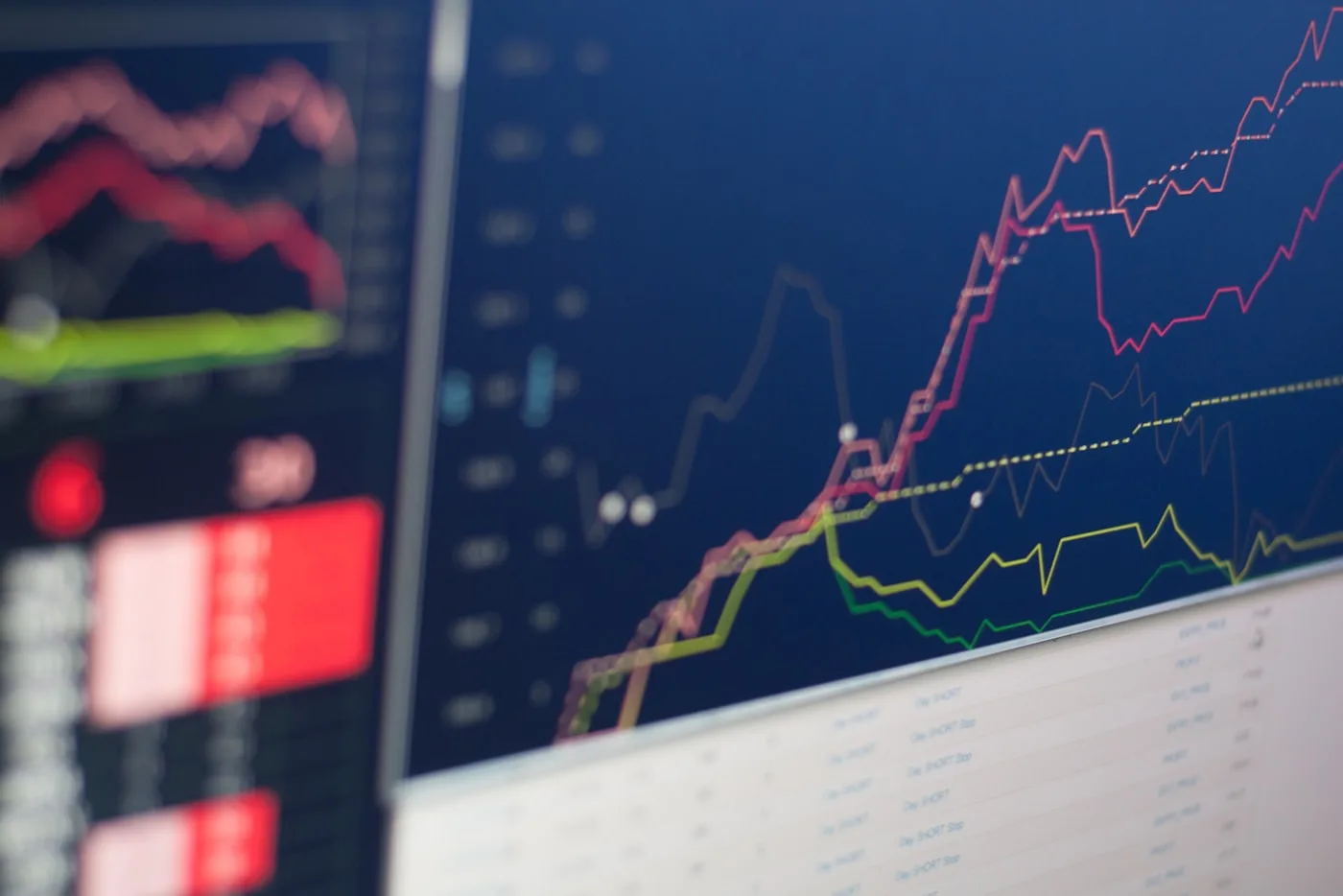
Technology plays a significant role in day trading. Advanced software and tools are essential for success. Traders need real-time data and analytical charts.
Regulatory requirements, like the pattern day trader rule in the U.S., are critical to understand. This rule mandates a minimum account balance of $25,000. Compliance is key to avoiding penalties.
Success in day trading demands commitment and focus. It's a fast-paced environment that isn't suited for everyone. Each trader must develop their own strategy and risk management plan. With experience and the right mindset, day trading can be a rewarding pursuit, but it's not without challenges.
Day Trading vs. Long-Term Investing
Day trading and long-term investing are distinct approaches to the market. Each has its own set of strategies, risks, and rewards. Understanding these differences can help investors choose the right path.
Day trading focuses on rapid buying and selling. It seeks quick profits from short-term price movements. On the other hand, long-term investing involves holding assets for years, betting on their gradual value increase.
Long-term investors often diversify to mitigate risk. They believe in the potential of compound interest. In contrast, day traders rely on market volatility. They tend not to diversify as much, which can amplify risk.
The required skill sets also differ. Day traders must have sharp analytical abilities, quick decision-making skills, and emotional discipline. Meanwhile, long-term investors need patience, foresight, and financial knowledge.
Here’s a quick comparison:
- Day Trading:
- Short-term trades
- Requires constant market monitoring
- Higher potential for rapid gains and losses
- Long-Term Investing:
- Focus on long-term growth
- Less daily attention required
- Generally more stable returns
Ultimately, the choice between these methods depends on individual goals and risk tolerance. Some prefer the adrenaline of day trading, while others value the stability of long-term growth. It’s crucial to evaluate personal circumstances before committing to either strategy. Both paths require dedication and informed decisions to realize their potential benefits.
The Potential Rewards of Day Trading
Day trading offers the allure of quick financial rewards. The potential for rapid gains attracts many to this strategy. A single successful trade can yield significant profits in a short time frame.
The appeal lies in the possibility of substantial daily income. Talented traders can capitalize on small price changes. They leverage these opportunities multiple times throughout the day.
Another attractive feature is the flexibility. Day traders often set their own schedules, working from virtually anywhere with an internet connection. This autonomy can be enticing for those seeking independence from traditional workplace settings.
Successful day trading could lead to impressive financial results. Some traders achieve returns that outstrip conventional investments. The allure of becoming a "rich day trader" is real, though it requires significant skill and resilience.
Consider these potential rewards:
- Instant Gratification: Quick realization of profits or losses.
- High Earning Potential: Possibility of large returns from skilled trades.
- Flexibility and Autonomy: Control over work hours and location.

Despite these advantages, the path to success in day trading is fraught with challenges. It's essential to understand that the potential for high rewards comes with equally significant risks. Only those prepared for the volatility and equipped with the right skills stand a chance to reap the benefits. Proper preparation, strategy, and discipline are crucial to tapping into these opportunities effectively.
The Risks and Downsides of Day Trading
Day trading is not without its challenges and potential pitfalls. One of the primary risks is the high level of volatility in the market. Prices can fluctuate wildly within minutes, leading to substantial losses if decisions are not made promptly.
Another significant downside is the substantial capital requirement. In the U.S., for example, the pattern day trader rule mandates maintaining a minimum balance of $25,000. This can be a barrier for many potential traders who might not have sufficient capital upfront.
Emotional stress is another factor that cannot be ignored. The pressure to make quick decisions can lead to significant mental strain. This stress can lead to burnout, impacting both personal life and decision-making abilities.
Leverage is a double-edged sword in day trading. While it can amplify profits, it can also magnify losses. Traders relying on borrowed capital can find themselves in debt if trades go awry.
The fast-paced nature of day trading can lead some to compare it to gambling. The possibility of making or losing large sums in a short period can give trading a speculative aura.
Consider these risks:
- Market Volatility: Rapid price changes can lead to unpredictable outcomes.
- High Capital Requirement: A considerable initial investment is necessary to start.
- Emotional and Mental Stress: The psychological burden can be immense.
- Leverage Risks: Amplified gains and losses from borrowed funds.
- Speculative Nature: Comparisons to gambling due to high risk.
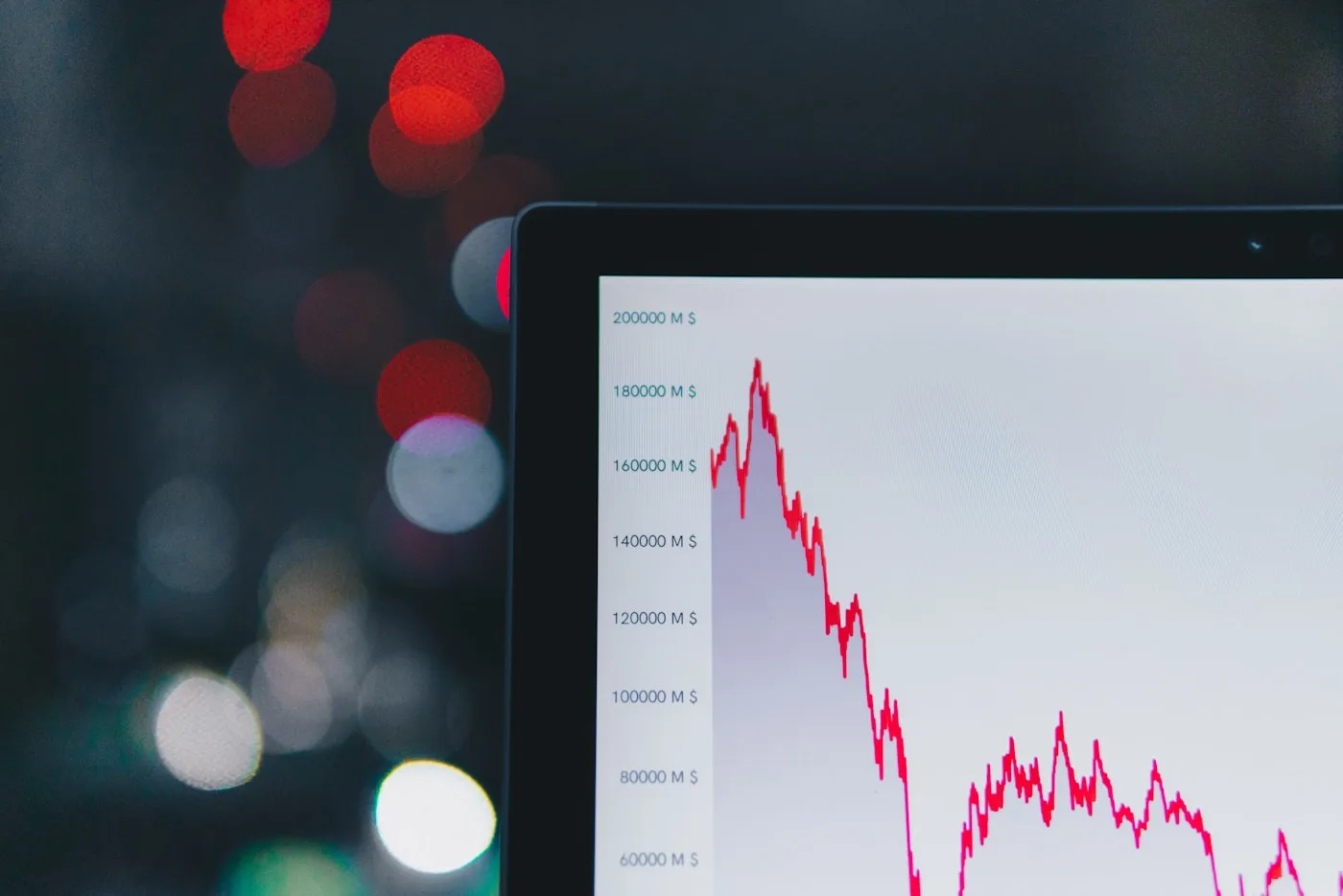
Ultimately, the risks of day trading highlight the need for a solid understanding of the market and a robust risk management plan. Potential traders should weigh these considerations carefully before taking the plunge. Awareness of these downsides can prepare individuals for the challenges ahead, ensuring they approach day trading with caution and strategic thinking.
How Difficult Is Day Trading? Skills and Mindset Needed
Day trading demands more than just technical know-how. The mental fortitude required is significant. Understanding market trends and technical analysis is paramount.
Success depends heavily on quick decision-making and adaptability. Traders must react swiftly to market shifts. This requires not only knowledge but also the mental stamina to cope with fast-paced changes.
Apart from technical skills, the right mindset is crucial. Emotional discipline is at the heart of successful trading. Many face challenges in maintaining calm during market swings.
Additionally, a strategic approach is essential. Having a well-defined plan can mitigate impulsive decisions. Constant monitoring of trades demands discipline and organization.
Essential skills and mindset components include:
- Technical Analysis: Grasping charts and trends is critical.
- Emotional Discipline: Control emotions during market fluctuations.
- Strategic Planning: Adhering to a predefined plan can prevent rash decisions.
- Adaptability: Quickly adjusting to new information and conditions.
- Stress Management: Dealing with stress is important to avoid burnout.
For those considering day trading, developing these skills and cultivating the right mindset is non-negotiable. Consistent practice and learning can aid in overcoming the inherent difficulties. Ultimately, the complexity of day trading should not be underestimated; it requires continuous dedication and self-awareness.
Can You Get Rich Day Trading? Myths vs. Reality
The allure of day trading is undeniable. Many see it as a path to quick riches. However, the reality is often less glamorous than the myth suggests.
While it's true that some individuals have become wealthy through day trading, they're exceptions rather than the rule. Most traders find consistent profits elusive. The market is unpredictable and can turn against traders without warning.
Achieving wealth as a day trader requires more than mere luck. It involves skill, experience, and a deep understanding of market dynamics. Even with these, success is not guaranteed. The financial risks can wipe out gains rapidly.
It's crucial to differentiate between myths and reality. Popular misconceptions often include:
- Immediate Wealth: Many expect quick profits without effort.
- Minimal Risk: The perception that market risks are negligible.
- Guaranteed Success: The belief that following strategies will ensure wealth.
- Effortless Lifestyle: The idea that day trading is a laid-back occupation.
For the majority, day trading will not lead to riches. The risks are high, and the rewards are uncertain. Aspiring traders should approach it with realistic expectations, rigorous discipline, and a comprehensive understanding of potential pitfalls. These factors are essential for navigating the demanding world of day trading.
What Does It Take to Become a Successful Day Trader?
Becoming a successful day trader requires more than just a desire to make money. It involves mastering a unique set of skills and maintaining a disciplined approach.
Firstly, a deep understanding of market trends is crucial. Successful traders use technical analysis to make informed decisions. This means regularly studying charts and indicators. It's not enough to rely on instinct alone.
Equally important is having a well-thought-out strategy. A solid plan guides traders during volatile market conditions. It helps them avoid rash decisions driven by emotion. Consistently profitable traders often stick to their strategies with unwavering discipline.
Furthermore, risk management cannot be overlooked. Successful day traders know when to cut their losses. They protect their investments by setting strict stop-loss limits and avoiding over-leveraging their positions.
To summarize, key traits for day trading success include:
- Market Knowledge: Understanding charts and trends.
- Strategic Planning: Having a defined approach.
- Discipline: Sticking to the strategy under stress.
- Risk Management: Protecting capital by limiting losses.
- Emotional Control: Remaining objective despite market fluctuations.
Ultimately, day trading success requires dedication and continuous learning. The markets evolve, and so must the trader. Staying informed and adaptable is key to thriving in this challenging field.
Is Day Trading Bad? Common Criticisms and Controversies
Day trading often attracts criticism due to its inherently risky nature. Many argue it's akin to gambling, where outcomes are uncertain and fortunes can quickly change. This high risk is what leads many to believe that day trading might not be a wise financial endeavor for most.
Critics also point out that day trading requires constant attention. The demands of monitoring the market from open to close can lead to stress and burnout. This intense pressure can take a toll on one's mental health, making it a controversial choice for a career path.
Additionally, the majority of day traders fail to make consistent profits. This high failure rate raises questions about the viability and ethics of promoting day trading as a wealth-building strategy. Below are some prevalent criticisms of day trading:
- High Risk: Comparable to gambling.
- Stressful Lifestyle: Intense and time-consuming.
- Low Success Rate: Profits are rare and hard to achieve.
Living from Day to Day: The Day Trader Lifestyle
The life of a day trader is anything but conventional. Unlike a typical 9-to-5 job, day trading requires flexibility and the ability to adapt quickly. Markets can be unpredictable, meaning days can vary significantly in stress and profit potential.
Despite the potential allure, living from day to day as a trader can be incredibly demanding. Day traders must keep a keen eye on financial news and market trends, often spending countless hours glued to their screens. This need for constant vigilance makes maintaining a work-life balance challenging.
Additionally, day traders often face the economic uncertainty of irregular income. This unpredictability can make long-term financial planning difficult, adding another layer of complexity to the lifestyle. A day trader's lifestyle might include:
- Flexibility: Non-traditional working hours.
- Constant Vigilance: Keeping up with financial news.
- Financial Uncertainty: Irregular income streams.
Is Day Trading Worth It? Key Takeaways and Final Thoughts

The question of whether day trading is worth it hinges on several factors. It requires weighing the potential for profit against the risks involved. This decision is deeply personal and should be made after careful consideration.
Day trading suits individuals with a deep understanding of market strategies and a high tolerance for risk. It's not for everyone. Those who thrive often have strong analytical skills and can handle stress well.
Before diving into day trading, ensure you're prepared and informed. Consider all aspects, including your financial goals and risk appetite. Remember, success demands commitment and continuous learning. Here are key takeaways to consider:
- Assess Personal Suitability: Evaluate if it fits your lifestyle.
- Understand Risks vs. Rewards: Consider the potential gains and losses.
- Commit to Learning: Stay informed and adaptive to market changes.
Trade Reclaim Research tracks fee schedules, VIP tiers and token discounts across all 9 partner exchanges. Every number is checked against the exchange's official fee schedule before it goes live, and re-checked when an exchange changes its terms. The goal is simple: show traders their real net cost, not the headline rate.
Trade Reclaim earns from exchange referrals and shares most of it back to you as cashback. Education, not financial advice.