Best Time to Trade Futures: Optimal Trading Hours
A complete guide to the best time to trade futures: the sessions, hours and strategies that matter, plus how to build a schedule around your own market.

Futures move around the clock, but not every hour is worth trading. The best windows line up with high liquidity and real volatility, when spreads are tight and moves have follow-through. This guide walks through the sessions, contracts and strategies, and one cost most traders overlook: on a Trade Reclaim partner exchange you get 30 to 50% of your futures fees back as cashback.
Understanding Futures Trading and Market Hours
Futures trading involves buying or selling contracts for a future date. These contracts lock in prices for commodities or financial assets. Knowing market hours is crucial for planning trades effectively.
The futures market operates 24 hours a day, five days a week. This non-stop activity provides traders with flexibility. However, each futures contract has specific hours of peak activity.
Key trading hours vary based on the contract and location. Traders should consider the following aspects when determining the best time to trade:
Liquidity and volatility are vital aspects to monitor. These factors can impact price movements and trading opportunities. By understanding these, traders can capitalize on favorable conditions.
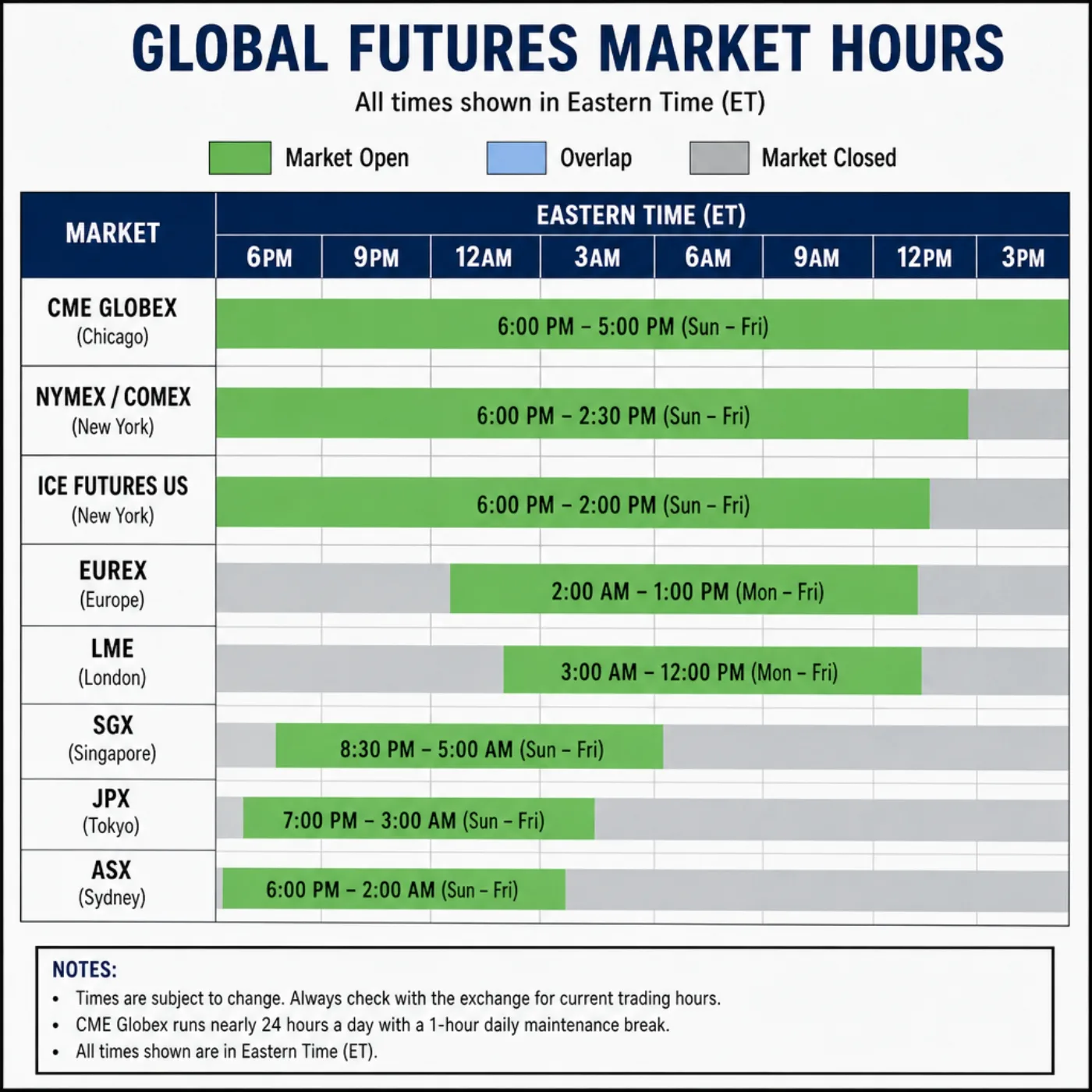
Key Factors That Influence the Best Time to Trade Futures
Determining the best time to trade futures depends on several key factors. These elements can drastically impact trading success and opportunities. Being aware of them enhances decision-making for optimal trades.
Market liquidity plays a pivotal role in trading futures. Liquidity refers to the ease of buying and selling contracts with minimal price changes. High liquidity often coincides with the overlap of major trading sessions, offering better price movements.
Volatility is another crucial factor influencing trading times. It indicates the degree of price fluctuation in the market. During periods of high volatility, there are more opportunities for profitable trades. However, it also increases risk. To identify optimal trading times, consider these factors:
By focusing on these factors, traders can maximize their chances of executing successful trades. Understanding them allows for strategic planning and timely market entry.
Major Global Market Sessions and Their Impact
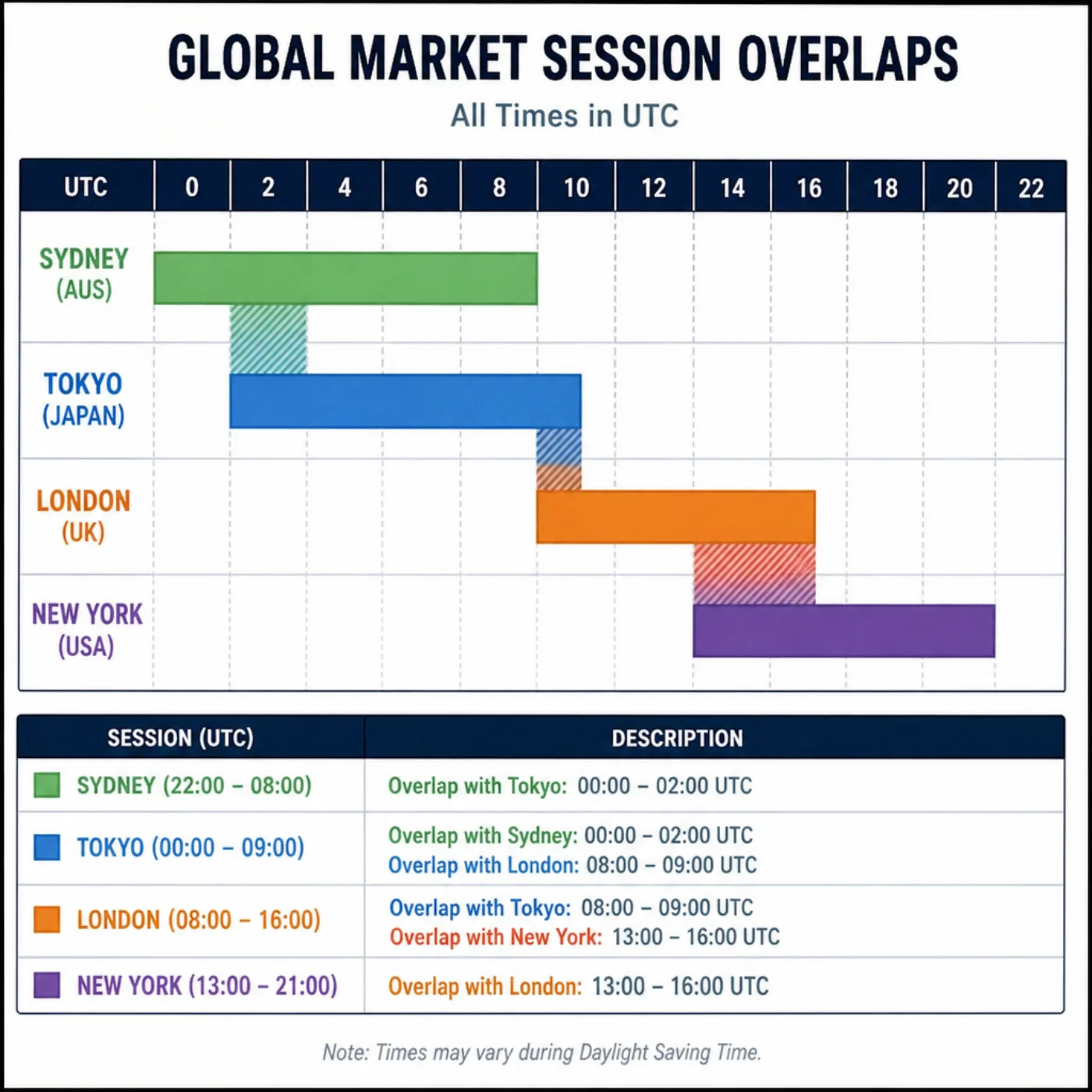
Futures trading spans multiple global market sessions, each with unique characteristics. The three major sessions that influence trading are the Asian, European, and North American markets. Each session brings distinct opportunities and challenges to traders.
The Asian session kicks off with markets in Tokyo and Hong Kong. It offers unique opportunities, often with less volatility than other sessions. This period can be perfect for traders who prefer a quieter market or focus on Asian stocks and currencies.
The European session, dominated by London, overlaps with both Asian and North American markets. This overlap generates high trading volume and liquidity. Many traders find this period highly attractive due to the rapid market movements and numerous trading opportunities it presents.
The North American session, driven by the New York market, is another vital trading window. It often sees substantial activity, especially when economic data are released. Traders looking to capitalize on volatility and trading volume often focus on this session.
Key aspects to consider for each session include:
Understanding these market sessions enables traders to pinpoint the most active and potentially profitable times for trading futures.
Best Time to Trade Futures: U.S. Session Breakdown
The U.S. trading session plays a crucial role in futures trading. It starts with the New York Stock Exchange opening at 9:30 AM ET. This session is known for high volatility, especially when the market opens.
As the session continues, major economic data releases often occur. These releases can significantly impact futures prices, offering quick trading opportunities. Being prepared for these events is critical for effective trading strategies.
During the middle of the U.S. session, around lunchtime, the market may experience lower volume. Some traders use this quieter time to analyze the market and plan their next moves. Others prefer to avoid trading during this lull due to fewer price movements.
Towards the end of the session, trading volume and volatility can increase as traders close positions before the market closes at 4 PM ET. Knowing these dynamics helps traders make informed decisions. Key points to keep in mind include:
Understanding these distinct periods within the U.S. session can greatly enhance a trader's ability to execute trades effectively.
Trading Futures at Night: Opportunities and Risks
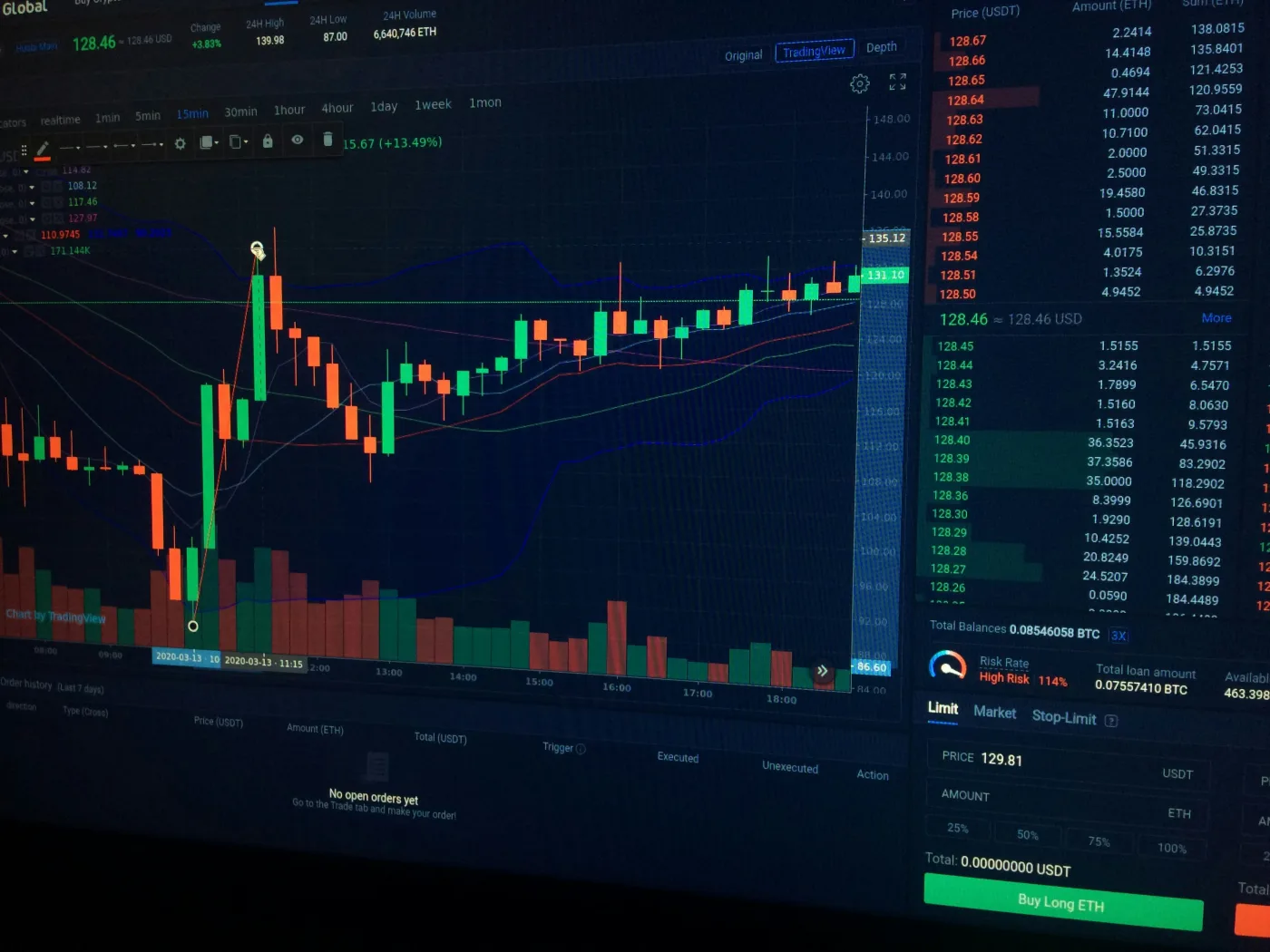
Night trading in the futures market can offer unique opportunities. The Asian session, starting at 7 PM ET, provides access to different markets, like Tokyo and Sydney. These markets can present distinct trading chances due to different economic influences.
However, night trading is not without risks. Typically, trading volumes are lower than during the day. Lower volumes can lead to wider spreads, making trades more costly. This can pose challenges for those new to the concept of trading during these hours.
Traders should weigh the potential benefits against the risks. It's important to understand that not all assets behave the same at night. Some might see more movement, while others stay flat. Key points to consider include:
by Vladislav Maslow (https://unsplash.com/@masloff)
By carefully planning and understanding these factors, traders can potentially capitalize on night trading advantages while mitigating risks.
Best Time to Trade Gold Futures and Other Popular Contracts
Gold futures are a popular choice for many traders. This is because they offer opportunities to hedge against market volatility and inflation. The best time to trade gold futures is during the overlap of the London and New York sessions. This overlap usually sees the highest liquidity and volatility, leading to enhanced trading opportunities.
Trading gold futures requires awareness of global economic indicators. These indicators can significantly impact prices. Economic releases from major economies, such as the U.S. and Europe, are particularly influential. Being mindful of these can help traders make more informed decisions.
Besides gold, other popular futures contracts include crude oil, S&P 500 index futures, and currencies. Each of these has its own optimal trading times. Here's a quick look:
Each contract offers different dynamics, which traders should study to optimize their trading strategies.
Futures Trading Strategies for Optimal Timing
Effective futures trading involves strategic timing. Knowing when to enter and exit trades can make all the difference. Here, timing strategies become crucial as they guide decision-making based on market conditions.
One critical aspect is understanding market dynamics. This involves recognizing patterns and trends. Traders should analyze market movements and align their strategies with expected volatility. This helps maximize profits and minimize losses.
Another important factor is adapting strategies to different futures contracts. Not all contracts behave the same way. Some might be more volatile during particular sessions or economic events. Tailoring strategies to suit specific assets can enhance trading outcomes.
Consider incorporating both technical and fundamental analysis. Technical analysis involves studying price charts and indicators. Fundamental analysis looks at economic factors affecting markets. Together, they provide a comprehensive view. Key strategies include:
Identifying which strategy works best for you often requires practice and analysis. Focus on continuous learning and adapting to evolving market dynamics.
Using Futures Market Analysis to Identify Optimal Trading Hours
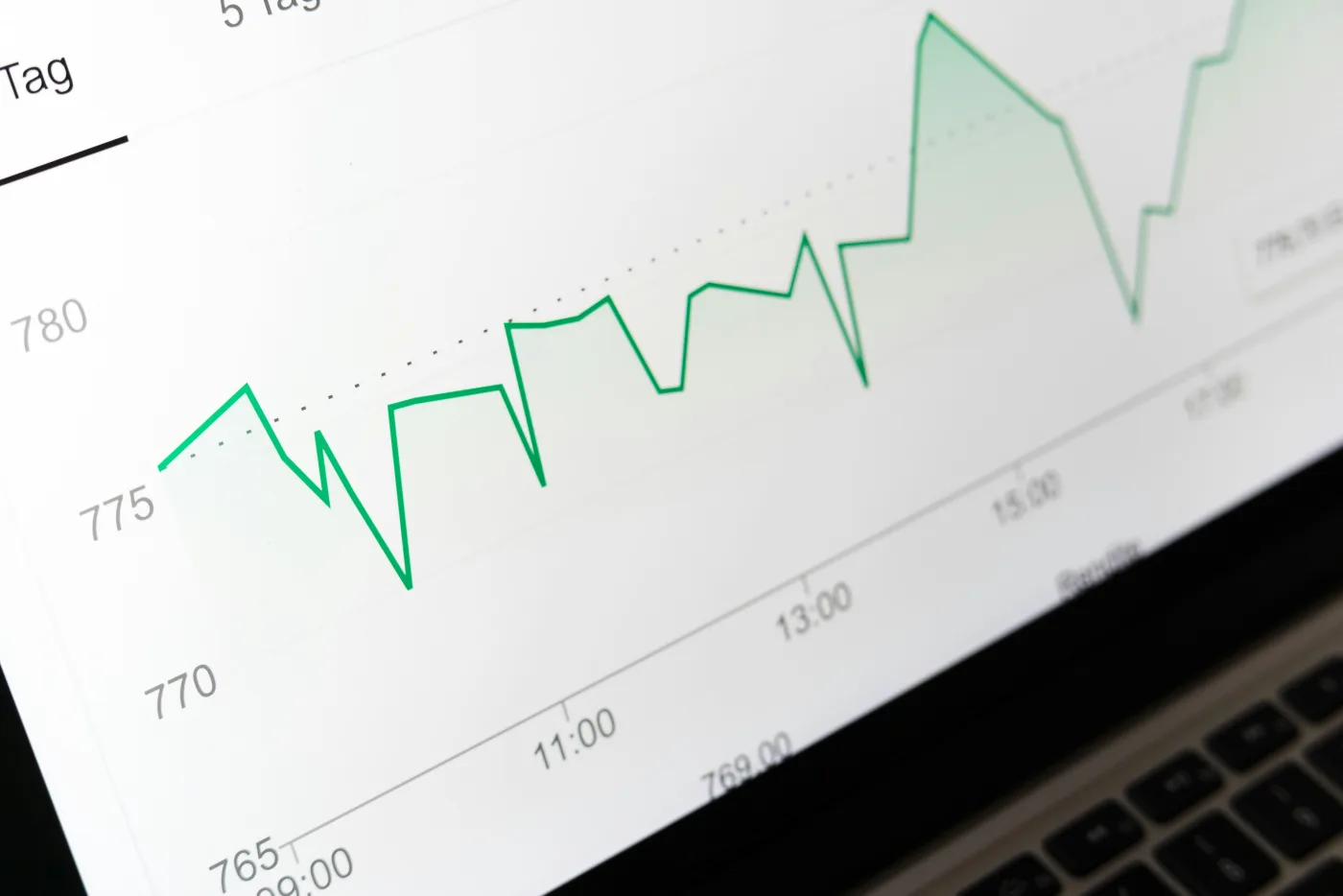
Futures market analysis is vital for spotting the best trading times. By analyzing market data, traders can gain insights into when the market is most active. This can lead to more informed decisions.
Two main types of analysis help here: technical and fundamental. Technical analysis involves looking at charts and past price movements. It helps predict future price movements and find entry and exit points. Fundamental analysis, on the other hand, examines economic factors and news. This can help foresee market shifts that affect trading hours.
Combining these analyses provides a fuller picture. To effectively use futures market analysis, consider the following tools:
by Markus Winkler (https://unsplash.com/@markuswinkler)
Balancing different types of analysis helps identify optimal trading hours. With diligent analysis, traders can align their actions with market dynamics more effectively.
Personalizing Your Trading Schedule: Tips and Tools
Crafting a personalized trading schedule can improve your trading success. This schedule should align with your lifestyle and market preferences. Flexibility is key as market conditions can change.
Begin by assessing your availability and market interests. Consider factors like time zones and market sessions. Ensure your schedule accounts for when you are most alert and focused.
Utilize technology to optimize your trading routine. Various tools can help tailor a schedule to your needs:
These tools empower you to create an effective schedule. Keeping your strategy flexible will help adapt to any market dynamics.
Trade futures at the right time, for less
You already pick your windows. Trade Reclaim gives you 30 to 50% of your futures trading fees back as cashback in USDT, across 9 partner exchanges, with no change to how or when you trade.
Frequently asked questions
What is the best time of day to trade futures?
The London and U.S. session overlap, roughly 13:00 to 16:00 UTC, offers the deepest liquidity and strongest volatility, which makes it the best window for most futures traders.
Is it good to trade futures at night?
Night trading can offer cleaner, less crowded trends, but liquidity is thinner and spreads are wider. It suits patient strategies with tight risk control rather than fast scalping.
When are gold futures most active?
Gold futures are most active around the London and U.S. overlap and move sharply on U.S. economic data and dollar strength.
Do crypto futures have a best time to trade?
Crypto futures run 24/7, but volume and volatility still peak during the U.S. session and around major news, so those windows tend to offer the best conditions.
How much do fees affect futures trading?
A lot. Frequent futures traders pay significant fees over time. Cashback of 30 to 50% back on those fees, as Trade Reclaim offers, can meaningfully improve your net result.
Trade Reclaim Research tracks fee schedules, VIP tiers and token discounts across all 9 partner exchanges. Every number is checked against the exchange's official fee schedule before it goes live, and re-checked when an exchange changes its terms. The goal is simple: show traders their real net cost, not the headline rate.
Trade Reclaim earns from exchange referrals and shares most of it back to you as cashback. Education, not financial advice.